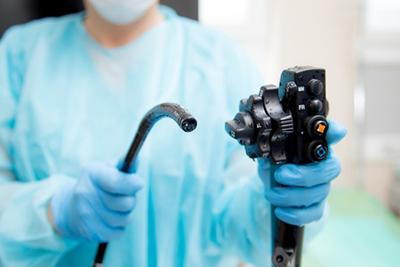
If you’ve been told you need an endoscopy, you’re probably wondering what exactly that means. The word “endoscopy” simply refers to using a thin, flexible tube with a camera to look inside your digestive tract. But there are two very different types: upper endoscopy and lower endoscopy, and knowing which one your doctor recommends, and why, can help ease a lot of anxiety.
At Digestive Medicine Associates, our board-certified gastroenterologists serve patients in Hialeah, Coral Gables, Kendall, and Pembroke Pines, Florida, with clear explanations and expert care. Let’s walk through the key differences between these two procedures and when each might be used.
What Is an Upper Endoscopy?
An upper endoscopy, also known as an EGD (esophagogastroduodenoscopy), looks at the upper part of your digestive system, namely the esophagus, stomach, and the first part of the small intestine. This procedure is usually recommended when someone has symptoms like persistent heartburn, difficulty swallowing, unexplained nausea, upper abdominal pain, or signs of internal bleeding, such as vomiting blood.
During the exam, a sedative is given to help you relax. A thin tube with a camera is gently passed through your mouth and down your throat. It’s a quick, safe procedure that allows your Digestive Medicine Associates doctor to see inside and take tissue samples if necessary.
What Is a Lower Endoscopy?
A lower endoscopy typically refers to a colonoscopy, which is used to examine the rectum and entire colon (large intestine). This test is most commonly used for colon cancer screening, but it’s also used at our Hialeah, Coral Gables, Kendall, and Pembroke Pines, Florida, offices to investigate symptoms like chronic diarrhea, rectal bleeding, or unexplained weight loss.
Before a colonoscopy, the bowel needs to be completely emptied. The procedure itself is also done with sedation. The doctor inserts the endoscope through the rectum and carefully examines the colon. If polyps are found, they can usually be removed during the same procedure.
There’s also a shorter version called a flexible sigmoidoscopy, which looks at just the lower part of the colon and may be used in some cases when a full colonoscopy isn’t needed.
Why It Matters to Know the Difference
The main difference between upper and lower endoscopy is the part of the digestive tract being evaluated, and the symptoms that lead your doctor to recommend it. Upper endoscopy is focused on problems above the stomach, while lower endoscopy checks for issues in the colon and rectum.
Both procedures are highly effective, safe, and more comfortable than most people expect. And both are essential tools for catching digestive issues early, before they turn into something more serious.
Be Confident in Your Endoscopy
At Digestive Medicine Associates, we believe that when you understand the test, you’re better prepared and less anxious. Whether you need an upper endoscopy, a colonoscopy, or you’re just not sure which one is right for your symptoms, our team is here to answer questions.
If you're in the Hialeah, Coral Gables, Kendall, or Pembroke Pines, Florida, areas and need digestive care, reach out to us by calling (305) 822-4107.